PVC Electric Boards: A Comprehensive Guide to Their Features, Benefits, and Uses 2025

PVC Electric Boards: A Comprehensive Guide to Their Features, Benefits, and Uses
In today’s world, electrical systems are at the heart of every modern building, ensuring the smooth operation of appliances, lighting, and various gadgets. Electrical boards play a vital role in managing the flow of electricity safely and efficiently. Among the different types of electrical boards available in the market, PVC (Polyvinyl Chloride) electric boards have emerged as a popular choice for both residential and commercial applications.
These boards are designed to house electrical components, such as circuit breakers, fuses, and switches, in a safe and organized manner. PVC electric boards have gained popularity due to their durability, safety features, cost-effectiveness, and ease of installation. In this blog post, we will explore everything you need to know about PVC electric boards, including their features, benefits, types, and common applications.
1. What Are PVC Electric Boards?
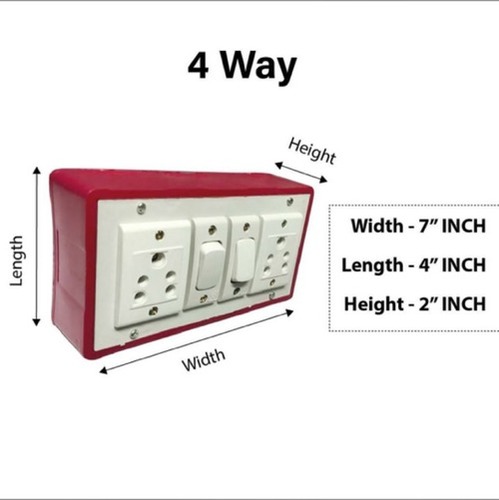
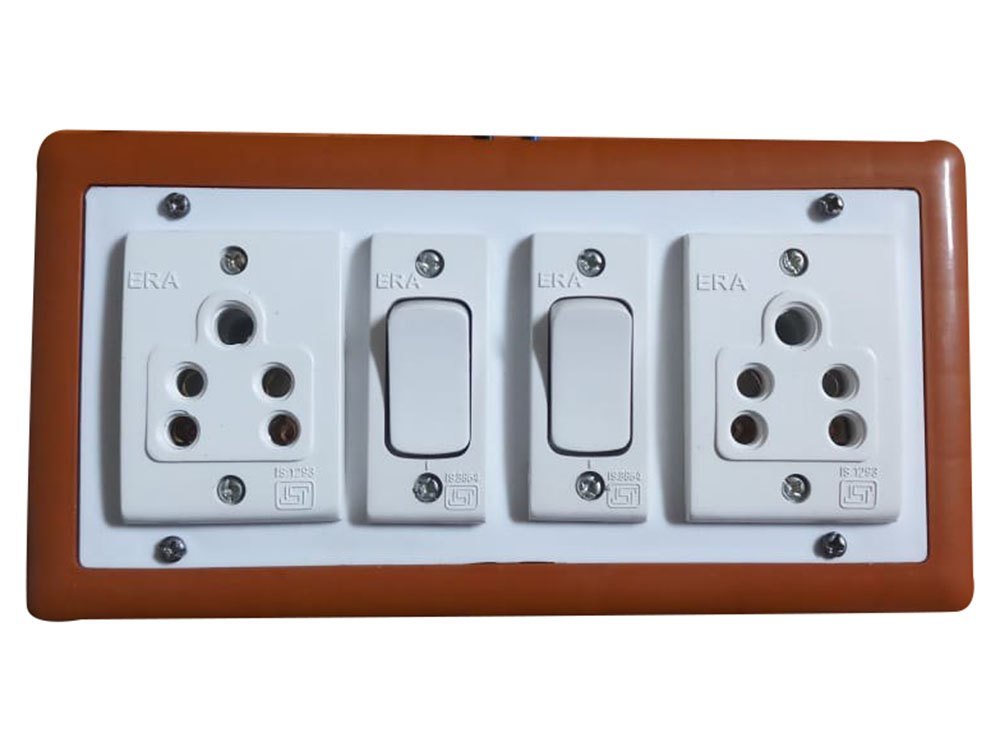
PVC electric boards are protective enclosures made of polyvinyl chloride (PVC) material, which is a type of plastic widely used in various industries due to its strength, versatility, and resistance to corrosion. These boards are designed to house electrical components, including circuit breakers, meters, switches, and other electrical devices. The purpose of these boards is to organize electrical circuits and ensure safe and efficient power distribution.
PVC electric boards are designed to be both durable and aesthetically pleasing, making them suitable for a wide range of applications in both residential and commercial spaces. They come in various sizes and configurations, depending on the number of electrical components that need to be housed and the specific requirements of the installation.
2. Features of PVC Electric Boards
a) Durability and Strength
One of the most significant advantages of PVC electric boards is their durability. PVC is a robust material that can withstand external impacts and mechanical stress, making it ideal for use in both residential and commercial electrical systems. The material is also highly resistant to corrosion, rust, and chemical exposure, ensuring that the electrical board remains in good condition even in harsh environments.
Moreover, PVC electric boards are resistant to water and moisture, making them suitable for areas with high humidity levels, such as bathrooms, kitchens, and outdoor installations. This moisture resistance ensures that the electrical components inside the board are protected and operate efficiently.
b) Fire Resistance
Safety is a top priority when it comes to electrical installations, and PVC electric boards excel in this area as well. PVC is inherently fire-resistant, which makes it an ideal material for housing electrical components. This feature ensures that the electrical board is less likely to catch fire in the event of an electrical short or overload.
The fire resistance of PVC helps to prevent accidents and ensures the safety of both the electrical system and the people around it. However, it is essential to remember that while PVC offers fire resistance, the electrical components themselves should also be of high quality to prevent overheating and potential fire hazards.
c) Ease of Installation
Another reason why PVC electric boards are so popular is their ease of installation. The lightweight nature of PVC makes it easy to handle and install, reducing the labor cost and time required for the installation process. PVC boards are also designed with a modular approach, meaning they can be easily customized to suit the specific requirements of a particular electrical system.
Most PVC electric boards come with pre-drilled holes and mounting brackets, allowing for quick and secure installation. Additionally, the flexibility of PVC allows for easy modifications and upgrades, should the electrical system require expansion or reconfiguration in the future.
d) Aesthetic Appeal
PVC electric boards are not only functional but also visually appealing. Available in a variety of designs, colors, and finishes, these boards can blend seamlessly into any interior décor. Whether you are installing the board in a residential home, office, or industrial setting, you can find a PVC electric board that suits your aesthetic preferences.
The smooth surface finish of PVC also makes it easy to clean and maintain. Unlike traditional metal boards, which may corrode or accumulate dust, PVC electric boards retain their appearance and functionality over time, making them an ideal choice for modern electrical installations.
3. Benefits of PVC Electric Boards
a) Cost-Effective
One of the key advantages of PVC electric boards is their affordability. Compared to metal or fiberglass electrical boards, PVC boards are much more cost-effective while still providing excellent performance and safety features. This makes them an attractive option for homeowners, contractors, and businesses looking to save on installation costs without compromising on quality.
Additionally, the lightweight nature of PVC reduces transportation costs, further enhancing the cost-effectiveness of these boards. Given their durability and low maintenance requirements, PVC electric boards are a smart investment that can save both time and money in the long run.
b) Corrosion and Chemical Resistance
Unlike metal electrical boards, which can corrode over time due to exposure to moisture or chemicals, PVC electric boards are highly resistant to corrosion. This makes them ideal for use in areas that are prone to humidity or chemical exposure, such as kitchens, bathrooms, and industrial settings. The resistance to corrosion ensures that the electrical components inside the board remain safe and operational for an extended period.
This feature also makes PVC electric boards suitable for outdoor applications, where metal boards may rust and degrade quickly when exposed to environmental elements.
c) Safety and Protection
The PVC electric board provides superior safety by offering protection to the electrical components from dust, moisture, and external physical damage. The board’s enclosure ensures that the electrical system is kept secure and prevents any accidental contact with live wires or components, which could pose a risk of electric shock or fire.
PVC is also a non-conductive material, which adds an extra layer of protection to the electrical system. If there is any malfunction, the board’s insulating properties ensure that the electric current does not reach the surrounding areas or pose a danger to people.
4. Types of PVC Electric Boards
a) Single Door PVC Electric Boards
These are the most basic type of PVC electric boards, typically used in residential buildings. A single-door electric board houses electrical components for individual circuits and is ideal for managing smaller electrical systems. These boards are compact, affordable, and easy to install.
b) Double Door PVC Electric Boards
Double-door PVC electric boards are designed to accommodate more electrical components and are commonly used in larger residential and commercial buildings. These boards are equipped with two compartments – one for the main circuits and another for the distribution system. They are more spacious and can handle multiple circuit breakers, meters, and switches.
c) Modular PVC Electric Boards
Modular PVC electric boards offer flexibility and scalability. These boards are designed to be customizable, allowing users to add or remove components as needed. They are ideal for large-scale commercial or industrial applications where the electrical system is subject to frequent changes or upgrades.
5. Applications of PVC Electric Boards
a) Residential Applications
In homes, PVC electric boards are commonly used to house the main power supply, circuit breakers, and other essential electrical components. They ensure the safe distribution of electricity throughout the home, protecting the system from overloads and electrical faults.
b) Commercial and Industrial Applications
PVC electric boards are widely used in commercial and industrial settings to manage larger electrical systems. These boards are perfect for offices, factories, and warehouses where numerous circuits need to be monitored and controlled. Their durability, corrosion resistance, and safety features make them an excellent choice for high-traffic environments.
c) Outdoor and Harsh Environments
PVC electric boards are also suitable for use in outdoor settings or environments exposed to extreme weather conditions. Their water and moisture resistance, along with their corrosion resistance, make them ideal for managing electrical systems in areas like gardens, construction sites, and farms.
6. Conclusion
In conclusion, PVC electric boards are an essential component of modern electrical systems, offering a combination of safety, durability, and cost-effectiveness. With their fire resistance, corrosion resistance, and ease of installation, these boards are suitable for a wide range of applications, including residential, commercial, and industrial settings.
If you are considering installing or upgrading an electrical system, PVC electric boards are a smart choice. They provide excellent protection for your electrical components, ensuring the safety of your home or workplace while also offering a long-lasting, aesthetically pleasing solution for electrical management. Whether you are looking for a single-door, double-door, or modular design, there is a PVC electric board that will meet your specific needs and requirements.